

In the competitive landscape of e-commerce, acquiring a new customer is just the beginning. The real challenge, and the greatest opportunity, lies in transforming that first-time buyer into a lifelong advocate for your brand. While customer acquisition often takes the spotlight, a loyal customer base is the bedrock of sustainable growth. It provides predictable revenue, valuable feedback, and powerful word-of-mouth marketing that acquisition campaigns simply cannot replicate.
For Shopify and DTC brands, mastering the art of retention isn't just a good practice; it's an economic imperative. A 5% increase in customer retention can increase profitability by 25% to 95%, making it one of the most impactful levers for growth. Loyal customers not only spend more over time, but their trust in your brand makes them more receptive to new product launches and less price-sensitive than new shoppers. To truly understand the depth of this asset, explore this comprehensive guide on how to build customer loyalty that lasts.
This article dives deep into 10 proven ways to increase customer loyalty, moving beyond generic advice to provide actionable, data-driven strategies. We’ll explore how to leverage everything from personalized communication and smart rewards programs to proactive support automation. You will get a comprehensive playbook to build a brand that customers love and return to, time and time again. Each point is designed to be immediately applicable, helping you strengthen customer relationships and create a resilient business.
1. Personalized Email Communication
Generic, one-size-fits-all email blasts are a relic of the past. Personalized email communication is a foundational strategy for modern DTC brands looking to increase customer loyalty. This approach involves leveraging customer data, such as purchase history, browsing behavior, and stated preferences, to deliver tailored messages that resonate on an individual level. Instead of sending the same promotion to everyone, you send relevant content that makes each customer feel uniquely seen and valued.
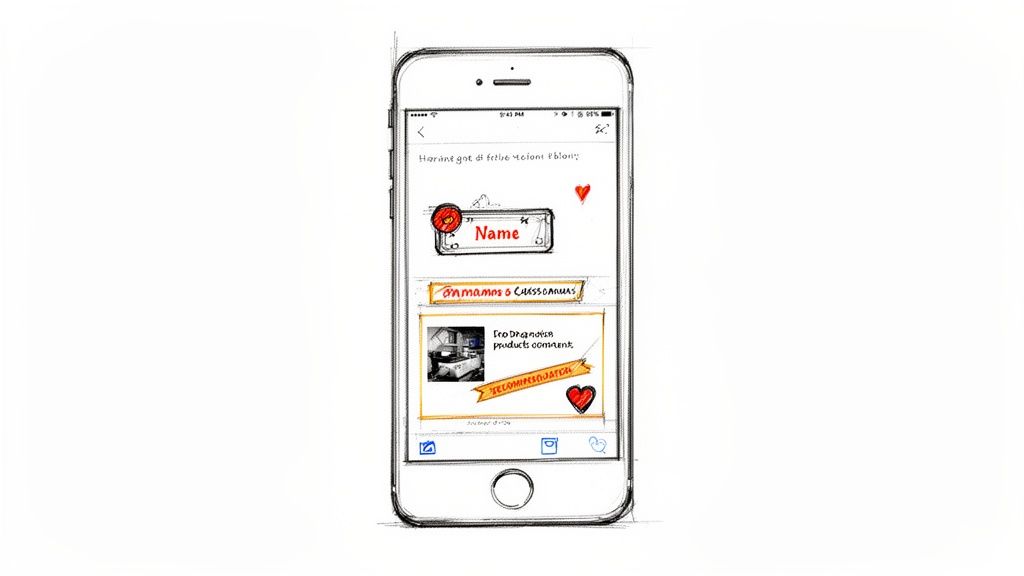
For Shopify stores, this means going beyond just using a customer's first name. True personalization involves recommending products based on past purchases, like Amazon does, or sending targeted offers for complementary items, a tactic perfected by Sephora. For customer support, tools like Mailo AI can automate contextual, brand-voice-consistent responses, addressing specific order inquiries with precision and empathy, turning a potential issue into a loyalty-building interaction.
How to Implement Personalized Email
To implement truly personalized email communication, especially for DTC brands, selecting the right platform is a crucial first step. The best email marketing software for ecommerce will integrate seamlessly with your store and provide robust segmentation capabilities.
- Segment Your Audience: Group customers based on meaningful data points like purchase frequency, average order value, product categories browsed, or lifetime value. Create segments for "high-value customers," "lapsed customers," or "first-time buyers."
- Automate Trigger-Based Workflows: Set up automated emails for key actions. This includes abandoned cart reminders with the specific items left behind, post-purchase follow-ups asking for a review of the exact product bought, and "we miss you" campaigns for inactive customers.
- Leverage Dynamic Content: Use dynamic content blocks to insert specific product recommendations or images based on a user's browsing history directly into your email templates. This ensures every email feels custom-built for its recipient.
By transforming your email strategy from mass communication to a series of one-on-one conversations, you create a powerful engine for building lasting customer relationships and fostering genuine brand loyalty.
2. Loyalty Rewards Programs
A well-designed loyalty rewards program is more than just a discount system; it's a powerful tool for incentivizing repeat purchases and making customers feel valued. This approach formalizes the customer relationship by creating a structured system where engagement and spending are rewarded with points, exclusive perks, or tiered benefits. This creates a clear value exchange that actively encourages customers to choose your brand over competitors, directly contributing to long-term loyalty.
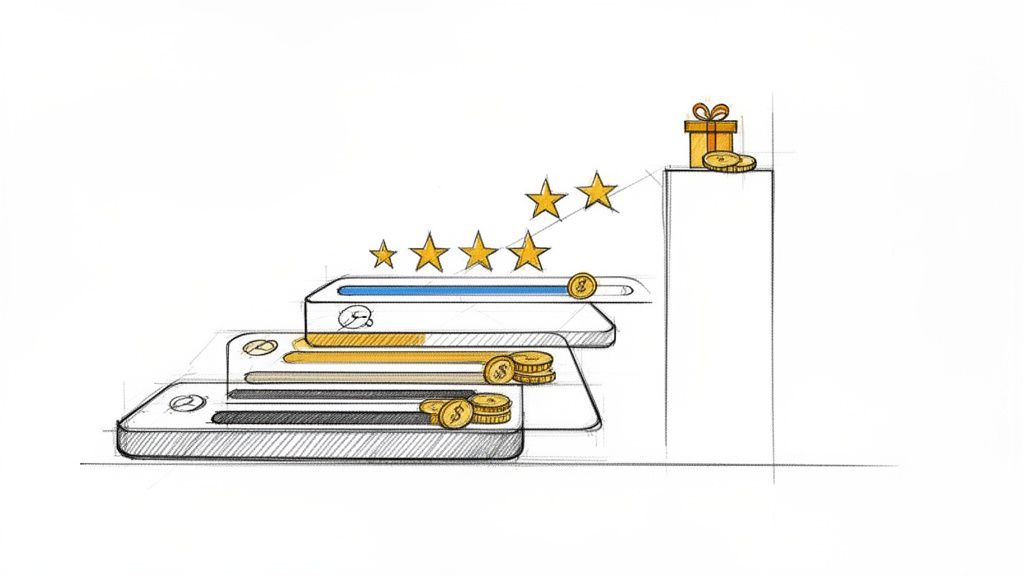
Iconic examples like Sephora's VIB program and Starbucks' mobile app demonstrate how effective this can be. For DTC brands, Shopify apps like LoyaltyLion or Smile.io make it easy to implement similar systems. When this strategy is paired with exceptional service, its impact is amplified. For instance, customer support platforms like Mailo AI can identify high-tier loyalty members and prioritize their tickets, turning a standard support interaction into a VIP experience that reinforces their value to your brand.
How to Implement a Loyalty Rewards Program
Launching a successful program requires a balance between rewarding customers and maintaining profitability. The key is to make the program simple, desirable, and integrated into your overall customer experience. A strong program not only drives sales but also provides valuable data on your most engaged customers. Learn more about how to track these key engagement signals to refine your strategy.
- Keep It Simple and Achievable: Ensure the rules are easy to understand. Customers should be able to earn their first reward within two to three purchases to feel immediate value and stay motivated. Complicated points systems can deter participation.
- Offer Tiered and Exclusive Benefits: Create tiers based on spending or engagement, like Nike's membership levels. Offer tangible perks for higher tiers, such as early access to sales, free shipping, or exclusive products. This gamifies the experience and encourages higher spending.
- Integrate with Customer Support: Use loyalty data to enhance your service. Configure Mailo AI to offer priority support or exclusive service channels for top-tier members. Acknowledging their status during a support interaction is a small touch that builds significant goodwill.
By creating a structured rewards system, you give customers a compelling reason to stick with your brand, transforming transactional relationships into lasting, loyal partnerships.
3. Fast and Responsive Customer Support
In an era of instant gratification, slow and unhelpful customer support is a direct path to customer churn. Fast and responsive customer support is no longer a perk; it's a core expectation. This means providing quick resolution times and timely, helpful answers across all channels, from email to social media DMs. Customers whose issues are resolved swiftly feel heard and respected, which is a powerful driver for repurchase behavior and positive word-of-mouth.

The standard was set by pioneers like Zappos with its legendary 24/7 service culture and Amazon's rapid resolution promises. For modern DTC brands, this means leveraging technology to meet and exceed those expectations. Tools like Mailo AI directly tackle this challenge by automating instant, contextual replies to common inquiries like "Where is my order?". This frees up human agents to focus on complex, high-empathy issues, ensuring that speed and quality are never compromised.
How to Implement Fast and Responsive Support
Achieving consistently fast support requires a combination of clear internal processes and smart automation. The goal is to reduce manual effort on repetitive tasks while empowering your team to handle unique situations effectively. For a deeper dive into automation strategies, you can learn more about how to automate customer service.
- Set Clear Response Time SLAs: Establish and communicate internal Service Level Agreements (SLAs) for first response and resolution times. This creates a clear benchmark for your team's performance.
- Automate Common Inquiries: Use an AI tool like Mailo to instantly answer the most frequent questions about order status, shipping policies, and returns. This can deflect a significant percentage of your support volume.
- Organize Your Inbox: Implement a system like Mailo’s Smart Inbox to automatically categorize, tag, and prioritize incoming emails. This ensures the most urgent issues are addressed first without manual sorting.
- Monitor Performance Analytics: Regularly review metrics like average response time and resolution time in your support platform’s dashboard. Use this data to identify bottlenecks and areas for process improvement.
By making speed and responsiveness a pillar of your customer experience, you transform a cost center into a powerful engine for building the kind of loyalty that lasts.
4. Proactive Order Tracking and Updates
The period between a customer clicking "buy" and the package arriving is a critical and often anxious time. Proactive order tracking and updates transform this uncertainty into a positive, brand-affirming experience. This strategy involves automatically sending customers relevant order status information, tracking updates, and delivery notifications, eliminating the need for them to manually check on their purchase. This level of attentiveness reduces post-purchase anxiety and builds significant confidence and trust in your brand.
This practice has been perfected by giants like Amazon and adopted by leading DTC brands such as Warby Parker and Allbirds, who provide detailed, multi-touch communications throughout the entire order journey. For Shopify stores, this means turning a standard logistical process into a key part of your retention marketing. Instead of a customer having to search their inbox for a tracking number and navigate to a carrier's website, you bring the information directly to them, demonstrating care and reinforcing their decision to shop with you.
How to Implement Proactive Order Tracking
Implementing an effective proactive communication system is a powerful way to increase customer loyalty by managing expectations and showing you're on top of the process. For Shopify stores, tools that integrate with your backend are essential.
- Automate Milestone-Based Updates: Use your e-commerce platform's integrations or a tool with real-time order synchronization to automatically trigger emails or SMS alerts at key milestones: order confirmed, order shipped, out for delivery, and delivered. This keeps the customer informed without any manual effort from your team.
- Provide Direct, Branded Tracking: Embed a clickable tracking link directly in every notification. Even better, create a branded tracking page on your own website so customers stay within your ecosystem instead of being sent to a generic carrier page.
- Get Ahead of Delays: Monitor for shipping exceptions or delays and proactively notify the customer before they notice the problem. A simple, apologetic message explaining the situation can turn a potentially negative experience into a loyalty-building moment of honesty and good service.
By turning the shipping process into an ongoing, positive conversation, you reassure customers that their purchase is in good hands, making them far more likely to return for a future purchase.
5. Personalized Product Recommendations
Moving beyond generic marketing, personalized product recommendations are a cornerstone strategy for building a loyal customer base. This approach involves using customer data, like purchase history, browsing behavior, and collaborative filtering (what similar customers bought), to suggest items that are highly relevant to each individual. Instead of showing everyone the same "bestsellers," you curate a shopping experience that makes customers feel understood and valued, demonstrating that you know their tastes and needs.
This technique is a powerful way to increase customer loyalty because it streamlines the discovery process and adds tangible value. Amazon pioneered this with its "Customers who viewed this also viewed" engine, and Netflix has mastered it with its content suggestions. For DTC brands, this means recommending a skincare product that complements a previous purchase or suggesting accessories for a recently bought outfit. Tools like Mailo AI can leverage customer and order data to inform these recommendations in post-purchase communications, ensuring the suggestions are timely, relevant, and delivered in a consistent brand voice.
How to Implement Personalized Recommendations
Implementing an effective recommendation system doesn't require a massive data science team from day one. Modern e-commerce platforms and tools make it accessible for brands of all sizes to start delivering personalized experiences.
- Recommend Complementary Products: Use post-purchase email flows to suggest items that enhance the original purchase. For example, if a customer buys a coffee machine, recommend specific coffee bean blends or cleaning kits.
- Leverage Dynamic Content in Emails: Embed dynamic product blocks in your marketing emails. These blocks can automatically populate with items a customer has recently viewed or products related to their past purchases, making every email feel unique.
- Test and Refine Your Algorithms: Start with a simple collaborative filtering model and A/B test different elements. Experiment with the number of products shown, the placement on your site or in emails, and the visual style. Monitor click-through and conversion rates to see what resonates most with your audience.
By turning your store into a personal shopper for each customer, you not only boost average order value but also create a more engaging and satisfying experience that encourages repeat business.
6. Post-Purchase Email Follow-Ups and Reviews
The customer relationship doesn't end at checkout; it's where the next phase begins. Systematic post-purchase email follow-ups are crucial for transforming a one-time buyer into a loyal advocate. This strategy involves reaching out after a purchase to ensure satisfaction, gather valuable feedback, and request reviews, keeping the conversation going and the brand top-of-mind. This proactive engagement not only generates social proof but also provides a critical window to resolve potential issues before they escalate.
This approach has been masterfully executed by companies like Amazon, whose "Tell us what you think" prompts have become an e-commerce standard. For DTC brands, this means creating a seamless feedback loop that makes customers feel heard. For instance, tools like Mailo AI can automate timely and contextual follow-up emails, using smart timing based on delivery dates to send review requests when the customer's excitement is highest, making the interaction feel natural and helpful rather than intrusive.
How to Implement Post-Purchase Follow-Ups
To effectively implement post-purchase follow-ups, your strategy must be thoughtful and automated. This process is a cornerstone of efforts to improve the e-commerce customer experience, as it builds trust and provides invaluable insights.
- Time Your Requests Strategically: Send review requests 5-7 days after the product has been delivered. This gives the customer enough time to use the product and form an opinion, capturing their feedback at peak satisfaction.
- Automate Contextual Outreach: Use automation to send follow-ups based on the specific product purchased. A request for a review on a skincare product might differ from one for an electronic gadget. Tailor the messaging to the item to show you're paying attention.
- Make It Easy and Rewarding: Keep surveys short and to the point, ideally 3-5 questions, to maximize completion rates. Consider offering a small incentive, like a discount on a future purchase, for customers who leave a review with a photo or video.
- Engage with All Feedback: Make a point to publicly respond to all reviews, both positive and negative, within 24 hours. This demonstrates that you value customer opinions and are committed to addressing concerns, which is a powerful way to build trust and increase customer loyalty.
7. Exclusive Content and Early Access
Making customers feel like insiders is one of the most powerful ways to increase customer loyalty. Providing exclusive content and early access to products creates a VIP experience, rewarding your best customers with tangible benefits that aren't available to the general public. This sense of belonging to an inner circle fosters a deep connection and makes customers feel genuinely valued beyond their transactional relationship with your brand.
This strategy shifts the dynamic from a simple buyer-seller exchange to a community-centric model. For DTC brands, this can mean offering members-only access to new product drops, a tactic perfected by brands like Nike with its SNKRS app or Glossier with its VIP early access to new launches. For support, this exclusivity can be managed through targeted communication; a tool like Mailo AI can send automated, personalized invitations for these exclusive events based on a customer's loyalty status or purchase history, ensuring the right people feel recognized.
How to Implement Exclusive Access
Implementing an effective exclusivity strategy requires careful segmentation and communication. The goal is to make the offer feel genuinely special and earned, not like a generic marketing ploy.
- Segment Your VIPs: Identify and segment your most loyal customers based on criteria like lifetime value, purchase frequency, or loyalty program tier. These are the customers who should receive your most exclusive offers first.
- Create Tiered Release Schedules: Grant your VIP segment access to new products or sales 24-48 hours before the general public. Communicate this advantage clearly in your messaging, using urgent and exclusive language in email subject lines to drive opens and action.
- Vary the Exclusive Content: Keep the experience fresh by rotating the types of exclusive benefits. Alternate between early access to sales, limited-edition product drops, behind-the-scenes content, or member-only educational material.
- Automate Contextual Invitations: Use your support automation tool to send highly relevant exclusive offers. For instance, if a customer has repeatedly purchased a specific type of product, Mailo can send them a targeted email offering early access to a new, related item, making the offer feel both exclusive and deeply personal.
By strategically offering privileged access, you don't just sell a product; you sell status and community. This transforms repeat buyers into dedicated brand advocates, a cornerstone of sustainable growth.
8. Omnichannel Communication Integration
Today's customers expect to interact with your brand on their own terms, switching between email, chat, SMS, and social media seamlessly. Omnichannel communication integration meets this expectation by unifying these disparate channels into a single, cohesive customer conversation. This strategy ensures that no matter how a customer reaches out, your support team has the full context of their history, preventing the frustration of repetitive questions and creating a smooth, consistent experience.
An omnichannel approach goes beyond simply being present on multiple channels (multichannel). It integrates them, so a conversation started on live chat can be referenced in a follow-up email without missing a beat. This consistency is a powerful way to increase customer loyalty by demonstrating that you value their time and understand their journey with your brand.
For Shopify stores, this means a customer can inquire about an order via an on-site chat widget and later receive an SMS update, with the support agent viewing both interactions in one unified timeline. Platforms like Mailo AI are designed with an integrated stack, centralizing email and chat conversations into a single inbox. This eliminates context switching for agents and ensures every customer interaction is informed and personal, building trust and reinforcing their decision to shop with you.
How to Implement Omnichannel Communication
Implementing a true omnichannel strategy requires both the right technology and clear internal processes. The goal is to create a frictionless experience for the customer, not just to offer more contact options.
- Prioritize and Integrate Channels: Start by integrating your highest-volume channels first, typically email and live chat. Use a tool that offers a unified inbox to manage conversations from a single dashboard before expanding to SMS or social media DMs.
- Create Unified Customer Profiles: Your chosen platform must be able to consolidate every interaction from every channel into one customer profile. This gives agents instant access to purchase history, past inquiries, and preferences, which is critical for providing informed support.
- Establish Clear Handoff Protocols: Define the process for escalating an issue from one channel to another, for example, moving a complex chat conversation to a phone call or email. Ensure customer context and history are transferred seamlessly between agents during these handoffs.
- Monitor Channel-Specific Metrics: Analyze data like response times, resolution rates, and customer satisfaction scores for each channel. This helps you understand customer preferences and allocate your support resources more effectively.
By unifying your communication, you remove friction from the customer journey. This makes it easier and more pleasant for customers to get the help they need, which is a cornerstone of building a loyal customer base.
9. Community Building and Customer Advocacy
Loyalty isn't just about repeat purchases; it's about belonging. Building a brand community creates a space where customers can connect with each other and your brand on a deeper level, transforming them from passive buyers into passionate advocates. This strategy moves beyond transactional relationships to foster an ecosystem where customers feel a shared identity and purpose, becoming voluntary promoters who drive organic growth and provide invaluable feedback.
This approach is one of the most powerful ways to increase customer loyalty because it creates a powerful emotional bond. When customers feel like part of a tribe, like with Harley-Davidson's iconic HOG (Harley Owners Group) or Peloton's competitive yet supportive fitness community, their connection to the brand becomes part of their personal identity. For DTC brands, this means creating opportunities for customers to share experiences, user-generated content, and genuine enthusiasm, which in turn attracts new, like-minded customers.
How to Implement Community and Advocacy
Building a community starts with creating value beyond your products. It's about facilitating connections and shared experiences that make customers feel recognized and heard.
- Create a Dedicated Space: Establish a hub for your community, whether it's a private Facebook Group, a Slack channel, a dedicated forum on your website, or a branded hashtag campaign like Glossier's #GlossierGirl. This space should be for peer-to-peer connection, not just brand announcements.
- Recognize and Reward Advocates: Use your communication channels to celebrate top contributors. For customer support, a tool like Mailo AI can help identify customers with consistently positive feedback, allowing you to proactively reach out with special thanks, early access to new products, or exclusive community perks.
- Feature Customer Stories: Actively showcase your customers in marketing materials. Share their testimonials, user-generated photos, and success stories in your emails and on social media. This not only provides social proof but also makes your advocates feel seen and valued.
- Facilitate Exclusive Access: Offer community-only benefits, such as Q&A sessions with founders, behind-the-scenes content, or the chance to vote on new product designs. This reinforces the value of being an "insider" and strengthens their bond with your brand.
10. Transparent Communication and Problem Resolution
Mistakes and delays are inevitable in ecommerce, but how you handle them is what separates fleeting customers from loyal advocates. Transparent communication involves being honest and proactive about products, policies, and especially problems. When an issue arises, addressing it head-on, rather than waiting for the customer to complain, demonstrates integrity and builds immense trust, turning a potential negative experience into a loyalty-defining moment.
This approach is about owning the entire customer journey, bumps and all. For DTC brands, this means clearly explaining shipping delays before a customer asks or being upfront about a product flaw. Brands like Patagonia, with their environmental impact disclosures, and Warby Parker, with its straightforward pricing, have built empires on this trust. For customer support, tools like Mailo AI can provide context-aware, empathetic responses that maintain consistent, transparent communication, ensuring your brand voice stays compassionate and honest even when delivering bad news.
How to Implement Transparent Communication
Building a culture of transparency requires a commitment to honesty and the right processes to support it. It's about empowering your team to solve problems and communicating proactively to manage customer expectations effectively.
- Be Proactive About Issues: Don't wait for the "Where is my order?" tickets to pile up. If you know there's a shipping delay or an inventory issue, communicate it to affected customers immediately. Acknowledge the problem, explain the situation honestly, and provide a new timeline.
- Empower Your Support Team: Give your agents the authority to resolve issues without excessive bureaucracy. A support agent who can offer a sincere apology and a tangible solution (like a discount or expedited shipping on a future order) is far more effective than one who has to escalate every minor problem.
- Make Policies Easily Accessible: Your return, shipping, and privacy policies shouldn't be hidden. Feature them clearly in your site's footer, on product pages, and in your FAQ section. This preemptively answers questions and sets clear, honest expectations from the start.
- Analyze Communication Patterns: Use tools with sentiment analysis to track how your transparent communications are being received. This helps ensure your proactive messages come across as genuine and helpful, not just as corporate damage control, solidifying this strategy as one of the most powerful ways to increase customer loyalty.
Customer Loyalty Strategies: 10-Point Comparison
| Strategy | Implementation Complexity 🔄 | Resource Requirements ⚡ | Expected Outcomes ⭐ 📊 | Ideal Use Cases 💡 | Key Advantages ⭐ |
|---|---|---|---|---|---|
| Personalized Email Communication | 🔄 Medium — integration, data hygiene, templates | ⚡ Medium — CRM/ESP, customer data, automation | ⭐⭐⭐⭐ — higher opens & conversions; 📊 ~+50% opens, ↑AOV | 💡 E‑commerce with rich customer data; retention & cross‑sell | ⭐ Scalable personalization; emotional connection; automated at scale |
| Loyalty Rewards Programs | 🔄 Medium‑High — design, tracking, rules | ⚡ Medium — rewards platform, budget, analytics | ⭐⭐⭐ — increased repeat purchases & CLV; 📊 predictable recurring revenue | 💡 High‑frequency retailers; subscription or membership models | ⭐ Clear incentives; captures first‑party data; tiered retention |
| Fast and Responsive Customer Support | 🔄 Medium — tooling, SLAs, training | ⚡ High — support staff, AI tooling, 24/7 coverage | ⭐⭐⭐⭐ — higher CSAT/NPS; 📊 reduces churn and support backlog | 💡 Brands with high support volume or complex customer issues | ⭐ Fast resolutions; lowers churn; boosts referrals |
| Proactive Order Tracking and Updates | 🔄 Low‑Medium — carrier & Shopify integrations | ⚡ Low — automation, carrier APIs, minimal staff | ⭐⭐⭐ — fewer inquiries; 📊 improved satisfaction & trust | 💡 Physical goods retailers with shipping/fulfillment concerns | ⭐ Reduces anxiety/support load; professional customer experience |
| Personalized Product Recommendations | 🔄 High — ML models, data pipelines, testing | ⚡ High — analytics/ML, product catalog, A/B testing | ⭐⭐⭐⭐ — ↑AOV (20–30%); 📊 drives discovery & higher CLV | 💡 Large catalogs; repeat buyers; upsell/cross‑sell focus | ⭐ Data‑driven revenue lift; improves discovery; optimizable |
| Post-Purchase Email Follow‑Ups and Reviews | 🔄 Low — timed automations and triggers | ⚡ Low — email automation, review integration | ⭐⭐⭐ — more reviews/social proof; 📊 better future conversion | 💡 Brands seeking social proof and product feedback | ⭐ Generates UGC/reviews; early issue detection; conversion boost |
| Exclusive Content and Early Access | 🔄 Medium — content production & segmentation | ⚡ Medium — content team, targeting, campaign ops | ⭐⭐⭐ — higher engagement & buzz; 📊 drives short‑term sales spikes | 💡 Lifestyle, fashion, premium or limited‑release brands | ⭐ Builds exclusivity/FOMO; rewards loyalty; product testing |
| Omnichannel Communication Integration | 🔄 High — cross‑platform sync and data consistency | ⚡ High — unified inbox, integrations, training | ⭐⭐⭐⭐ — lower customer effort; 📊 higher resolution and satisfaction | 💡 Multi‑channel brands with complex support flows | ⭐ Seamless CX; unified context; operational efficiency |
| Community Building & Customer Advocacy | 🔄 Medium‑High — platform, moderation, programs | ⚡ Medium — community managers, incentives, events | ⭐⭐⭐⭐ — more referrals & retention; 📊 reduces CAC over time | 💡 Niche, lifestyle, or passion‑driven brands | ⭐ Scales word‑of‑mouth; emotional attachment; authentic UGC |
| Transparent Communication & Problem Resolution | 🔄 Medium — policy alignment, training, workflows | ⚡ Medium — templates, monitoring, empowered staff | ⭐⭐⭐⭐ — builds trust; 📊 fewer disputes/returns, improved retention | 💡 Brands emphasizing ethics, sustainability, or complex logistics | ⭐ Trust & credibility; converts negatives into loyalty opportunities |
From Strategy to Action: Building Your Loyalty Flywheel
We've explored a comprehensive suite of strategies, from leveraging personalized email communication and loyalty programs to offering proactive support and building a vibrant community. It’s clear that mastering the art of customer retention is not about a single magic bullet. Instead, the most successful Shopify and DTC brands understand that finding effective ways to increase customer loyalty is about building a cohesive, customer-centric ecosystem. Each strategy works in concert with the others to create a powerful, self-reinforcing cycle: the loyalty flywheel.
A personalized product recommendation leads to a satisfying purchase. That purchase is followed by proactive shipping updates and a seamless post-purchase experience. This positive interaction then encourages the customer to join your loyalty program and engage with your community, where they receive exclusive content and feel a deeper connection to your brand. This flywheel effect doesn't just retain customers; it transforms them into passionate advocates who drive organic growth through word-of-mouth marketing.
The journey from a one-time buyer to a lifelong fan is paved with dozens of these small, yet significant, interactions. The key is consistency and a genuine commitment to delivering value at every single touchpoint.
Synthesizing Strategy into Actionable Next Steps
Feeling overwhelmed by the sheer number of options is natural. The goal isn't to implement all ten strategies overnight. The true path to success lies in a strategic, phased approach that aligns with your specific business goals and customer needs.
Here’s a practical roadmap to get you started:
- Audit Your Current Customer Experience: Before you build, you must understand your foundation. Map out your entire customer journey, from the first website visit to post-purchase follow-ups. Where are the friction points? Where are the opportunities to delight? Use CX metrics like CSAT and NPS to identify your weakest links and strongest assets.
- Identify Your "High-Impact" Tactic: Based on your audit, choose one or two strategies that will deliver the most immediate impact. If your post-purchase support is a common source of negative reviews, start by implementing proactive order tracking and improving support response times. If you have a high repeat purchase rate but low engagement, a structured loyalty program might be your best first move.
- Leverage Technology and Automation: Manually managing personalized communication, proactive outreach, and 24/7 support for a growing customer base is impossible. This is where technology becomes your most valuable ally. Implementing a tool like an AI-powered customer support system can automate responses to common queries, track order statuses in real-time, and analyze customer sentiment, freeing up your human agents to handle complex issues and build meaningful relationships.
- Measure, Iterate, and Expand: Once your initial strategy is in place, track its performance relentlessly. Are you seeing a lift in repeat purchases? Has customer satisfaction improved? Use these insights to refine your approach and then, once it’s running smoothly, begin layering in the next strategy from your list.
The End Goal: An Unbreakable Customer Bond
Ultimately, the most profound ways to increase customer loyalty are rooted in a simple, human truth: people want to feel seen, heard, and valued. Every tactic, from a perfectly timed email to a transparently resolved issue, is a signal to your customers that you care about more than just their transaction. You care about their experience.
By moving from abstract strategy to concrete action, you're not just checking boxes on a marketing to-do list. You are intentionally architecting a business that customers don’t just buy from, but believe in. This deep, emotional connection is your ultimate competitive advantage, a moat that no competitor can easily cross. It's the foundation for sustainable, long-term growth and the hallmark of a truly beloved brand.
Ready to automate and elevate your customer interactions? MAILO AI integrates directly with your Shopify store to handle customer support inquiries, provide proactive order updates, and gather valuable feedback, helping you implement many of these loyalty-building strategies effortlessly. Discover how you can build stronger customer relationships at scale by visiting MAILO AI.